

4 August 2025 — 2min read
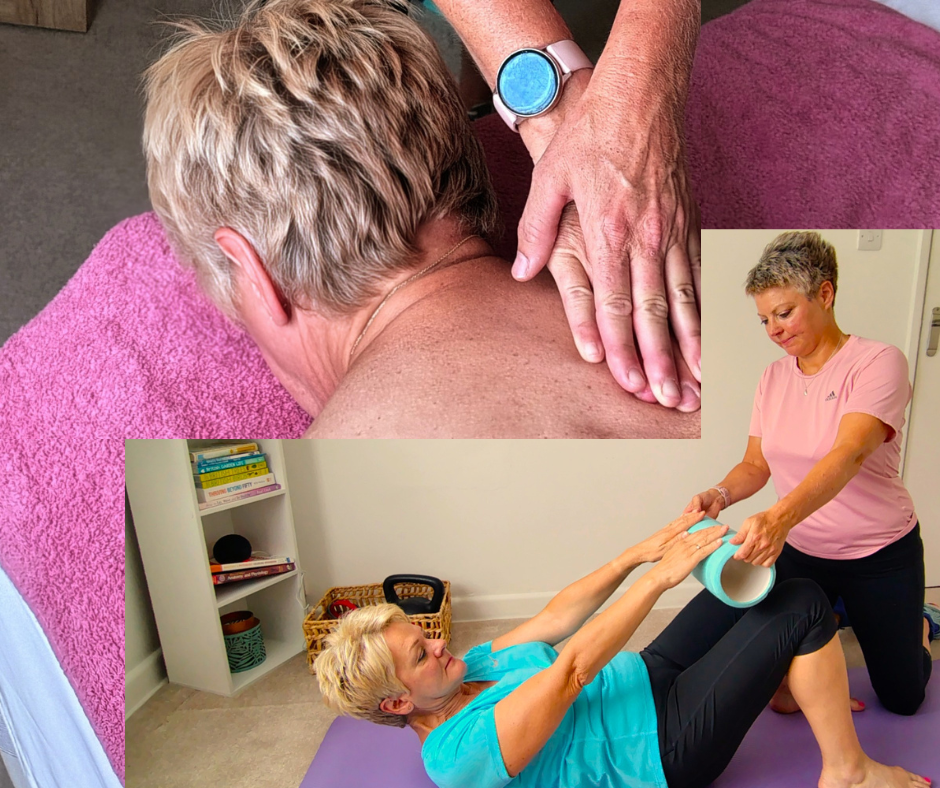
In the world of wellbeing, few combinations are as naturally complementary and transformative as personal training and massage therapy. One builds strength, resilience, and movement; the other restores, heals, and recalibrates. Together, they create a holistic approach to health that’s greater than the sum of its parts.
Whether you’re a fitness enthusiast, recovering from an injury, or simply trying to move and feel better, integrating massage with personal training can elevate your results, reduce your risk of injury, and support long-term wellbeing. Here’s why this dynamic duo works so well — and how it can be a game-changer for your body and mind.
The synergy of strength and recovery
At first glance, personal training and massage might seem like opposites. One is active, goal-driven, and performance-focused. The other is passive, restorative, and calming. But that contrast is exactly what makes them powerful together.
Personal Training: The stimulus for change
- Builds muscular strength, endurance, and cardiovascular fitness
- Enhances mobility, balance, and coordination
- Drives physical adaptation through progressive overload
- Boosts confidence, energy, and mental clarity
Massage Therapy: The recovery catalyst
- Reduces muscle tension and soreness
- Improves circulation and lymphatic flow
- Accelerates healing and injury recovery
- Promotes relaxation, sleep, and emotional wellbeing
When combined, these modalities create a feedback loop: training stimulates growth, massage supports recovery, and together they enable consistent progress without burnout or injury.
Mind-body benefits: Beyond the physical
Wellbeing isn’t just about muscles and movement — it’s also about mindset, motivation, and mental clarity. Massage and training together support both physiological and psychological health.
Stress reduction and mental focus
Massage activates the parasympathetic nervous system, helping the body shift from “fight or flight” to “rest and digest.” This lowers cortisol levels, reduces anxiety, and improves sleep quality. When clients feel mentally refreshed, they’re more focused and motivated during workouts.
Empowerment through pain management
People often push through discomfort, believing “no pain, no gain.” But untreated niggles can escalate into injuries. Massage offers a proactive way to manage pain, restore function, and keep people engaged in their fitness journey.
Emotional Resilience
Massage can leave people feeling relaxed, positive, and empowered — especially when integrated into a broader wellness plan. This emotional uplift translates into better adherence to training programs and a more sustainable lifestyle.
Injury prevention and performance enhancement
One of the most compelling reasons to combine massage with personal training is injury prevention. Many injuries stem from tight muscles, poor movement patterns, or overtraining. Massage helps address these issues before they become problems.
Improved flexibility and range of motion
Massage techniques like myofascial release and deep tissue work help break up adhesions, release tension, and improve joint mobility. This allows people to move more freely and perform exercises with better form.
Faster recovery and reduced DOMS
Delayed onset muscle soreness (DOMS) can derail training plans. Massage helps flush out metabolic waste, increase blood flow, and reduce inflammation — speeding up recovery and allowing people to train more consistently.
Balanced training and tissue health
Massage supports the health of connective tissue, which links muscles to bones and stabilises joints. By keeping fascia and muscle fibers supple, massage reduces the risk of strain and promotes efficient movement.
Real-life impact: Stories from the studio
At Highcliffe Fitness and Massage Therapy, I’ve seen firsthand how this integration transforms lives. Clients recovering from injury regain confidence faster. Busy clients find balance and energy. Active clients improve performance while staying injury- and pain-free.
One client struggled with ongoing neck pain and headaches. Through a combination of strength training, mobility work, and targeted massage, she not only became pain- and headache-free, but also improved her posture and moves better now — and with a smile.
Another client, came in with knee pain. With regular massage and tailored strength sessions, she now walks better, and doesn’t have knee pain anymore. She can even play golf again.
These aren’t just anecdotes — they’re proof that when we treat the body as a system, not a set of parts, we unlock deeper healing and lasting change.
Final Thoughts: A balanced path to wellbeing
Personal training and massage aren’t just complementary — they’re symbiotic. One builds, the other restores. Together, they create a rhythm of effort and ease, challenge and care, strength and softness.
In a world that often glorifies hustle and overlooks recovery, this integrated approach is a quiet revolution. It reminds us that progress isn’t just about pushing harder — it’s about listening, adapting, and honoring the body’s wisdom.
So whether you’re building strength, increasing mobility and balance, getting fitter, or simply trying to feel better in your skin, consider this: your next breakthrough might come not from doing more, but from recovering better.
If you’re curious about how to combine your personal training and massage, get in touch. We can have an open chat about your goals, your pain points and how to get to a better feeling you!
Share this article:

